
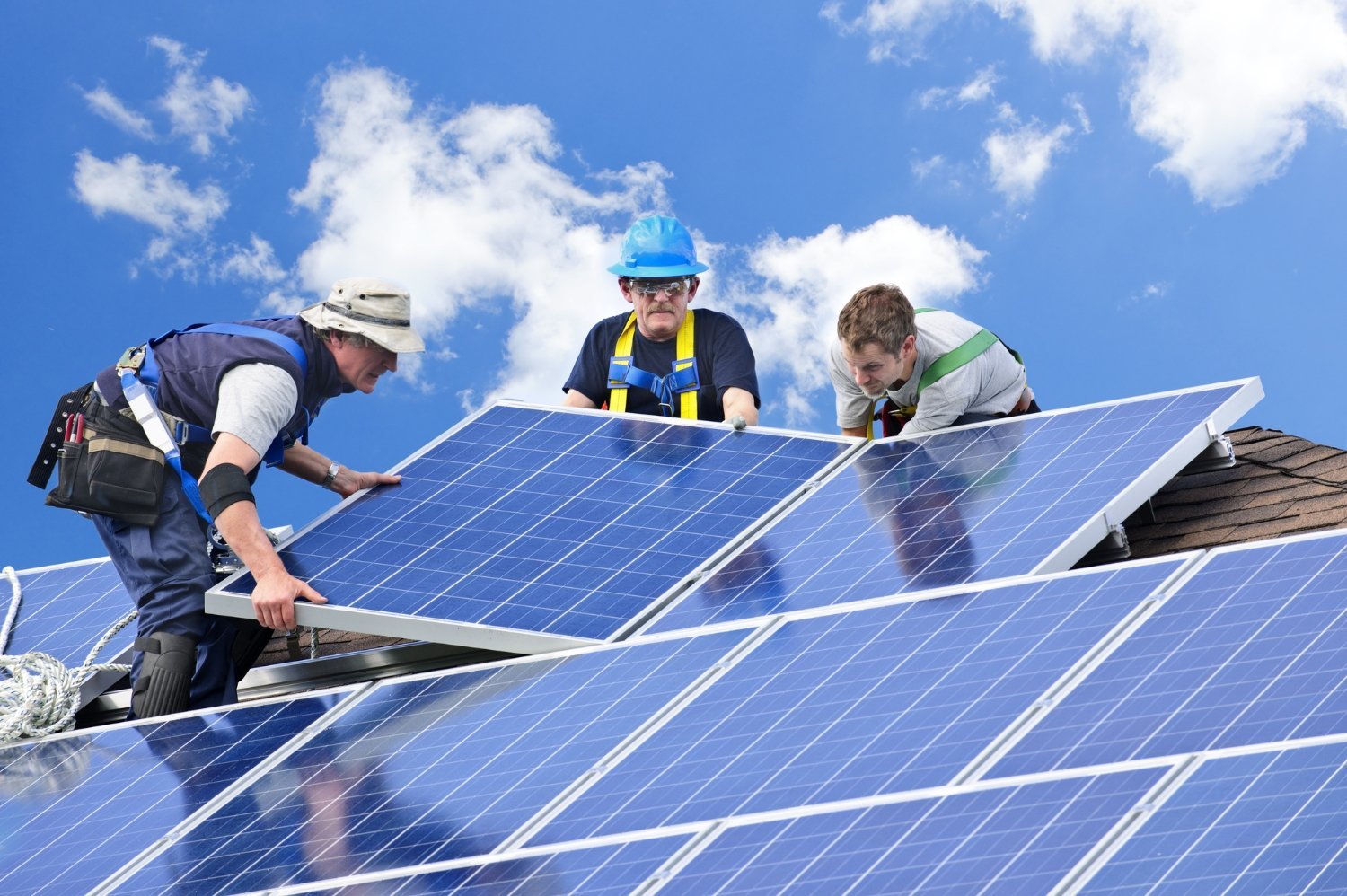
When people think about a solar power system, the focus usually stays on solar panels and the solar inverter. While these components are critical, they are only part of the system. The real strength, safety, and longevity of any solar installation depend heavily on its Balance of System (BOS).
BOS components may not generate electricity, but they determine how safely, efficiently, and reliably that electricity flows. In Indian operating conditions—where heat, dust, monsoons, and grid fluctuations are common—the role of BOS becomes even more critical.
This article explains why solar BOS matters, how components like DCDB, ACDB, and solar mounting structures protect your system, and why a safety-first approach is essential for long-term solar performance.
What Is BOS in a Solar Power System?
Balance of System (BOS) refers to all solar system components other than the solar panels themselves. These components ensure safe power transmission, structural stability, and system protection.
Key BOS Components Include
- DC cables and connectors
- AC cables and protection devices
- DCDB (Direct Current Distribution Box)
- ACDB (Alternating Current Distribution Box)
- Solar mounting structures
- Earthing and lightning protection systems
Together, these elements form the backbone of a reliable solar power system.
Why BOS Is Critical for Solar System Safety
A solar plant generates electricity continuously under varying conditions. Without proper BOS components, this energy can become unsafe, unstable, or inefficient.
Electrical Safety Risks Without Quality BOS
- Short circuits
- Overvoltage damage
- Fire hazards
- Equipment failure
- Power leakage
High-quality BOS components minimize these risks by managing current flow, isolating faults, and protecting sensitive solar products.
Understanding DCDB in Solar Systems
What Is a DCDB?
A DCDB (Direct Current Distribution Box) collects DC power generated by solar panels and safely routes it to the solar inverter. It acts as the first line of electrical protection in a solar power system.
Key Functions of DCDB
- Protects against DC overcurrent
- Prevents surge damage from lightning
- Isolates faulty panel strings
- Ensures safe DC power transmission
In Indian rooftop and ground-mounted systems, DCDBs are especially important due to high solar irradiance and frequent voltage spikes.
Why DCDB Quality Matters in Indian Conditions
High Temperature Stress
DCDB components must withstand extreme heat without degrading insulation or performance.
Dust and Moisture Protection
Poorly sealed DCDB enclosures allow dust and moisture ingress, increasing fire and short-circuit risks—especially during monsoons.
Component Coordination
A well-designed DCDB ensures seamless coordination between solar panels and the inverter, improving overall system stability.
Role of ACDB in a Solar Power System
What Is an ACDB?
An ACDB (Alternating Current Distribution Box) manages the AC power output from the solar inverter before it connects to the grid or load.
Key Functions of ACDB
- Protects against AC-side overloads
- Prevents grid faults from damaging the inverter
- Enables safe system isolation during maintenance
- Enhances grid compliance and safety
ACDBs play a critical role in ensuring that solar-generated power is delivered safely and consistently.
DCDB vs ACDB: Understanding the Difference
| Aspect | DCDB | ACDB |
|---|---|---|
| Power Type | Direct Current | Alternating Current |
| Location | Between panels & inverter | Between inverter & grid |
| Protection Focus | DC faults & surges | AC overloads & grid faults |
| Safety Role | Prevents DC-side fires | Protects inverter & grid |
Both DCDB and ACDB are essential BOS components—neither can replace the other.
Why Solar Mounting Structures Are More Than Just Support
Structural Backbone of Solar Systems
Solar mounting structures hold panels in place for decades. Their design directly affects energy generation, system durability, and safety.
Importance of Load-Bearing Design
Mounting structures must withstand:
- High wind speeds
- Thermal expansion
- Seismic activity
- Panel weight and snow loads (in select regions)
A weak structure compromises panel alignment and increases the risk of damage.
Mounting Structures and Energy Efficiency
Improper tilt or alignment reduces solar panel output. Precision-engineered mounting structures ensure:
- Optimal tilt angle
- Proper orientation
- Adequate airflow beneath panels
This directly improves system efficiency and long-term generation.
BOS and Fire Safety in Solar Installations
Why BOS Plays a Major Role in Fire Prevention
Most solar system fires originate from:
- Loose connections
- Inferior cables
- Poor-quality DCDB/ACDB enclosures
High-quality BOS components reduce hotspots, arcing, and insulation breakdown—key contributors to fire risk.
System Longevity Depends on BOS Quality
Thermal Stability
BOS components exposed to high heat must maintain insulation integrity over time.
Mechanical Durability
Mounting structures must resist corrosion, fatigue, and environmental wear for 25+ years.
Electrical Reliability
Stable current flow reduces stress on solar inverters and panels, extending their operational life.
Why a Safety-First BOS Approach Matters
A solar power system is a long-term infrastructure investment. Compromising on BOS quality to reduce upfront costs often leads to:
- Higher maintenance expenses
- Increased downtime
- Reduced energy output
- Shortened system lifespan
A safety-first BOS design ensures predictable performance and lower lifecycle costs.
Integration of BOS with Other Solar Products
BOS components must be designed to work seamlessly with:
- Solar panels
- Solar inverters
- Grid infrastructure
Compatibility across the system reduces losses, simplifies maintenance, and improves overall reliability.
BOS in Rooftop vs Ground-Mounted Solar Systems
Rooftop Systems
- Limited space
- Higher temperature exposure
- Structural constraints
Ground-Mounted Systems
- Larger scale
- Wind load considerations
- Soil and foundation challenges
Each application requires BOS components designed for its specific operating conditions.
Choosing the Right BOS for Your Solar Power System
When evaluating BOS components, focus on:
- Material quality
- Thermal rating
- IP protection levels
- Compliance with Indian standards
- Long-term durability
The right BOS selection ensures consistent performance across seasons.
Why BOS Is the Unsung Hero of Solar Systems
Solar BOS components rarely get attention because they operate silently in the background. Yet, they determine:
- System safety
- Power stability
- Equipment protection
- Long-term performance
Without a robust BOS, even the best solar panels and inverters cannot deliver reliable results.
Conclusion
Balance of System components form the foundation of every reliable solar power system. Elements like DCDB, ACDB, and solar mounting structures ensure safety, stability, and long-term energy generation—especially in demanding Indian conditions.
Understanding the importance of BOS empowers system owners and professionals to design safer, more durable, and higher-performing solar installations. In solar energy, what supports the system matters just as much as what generates the power.