

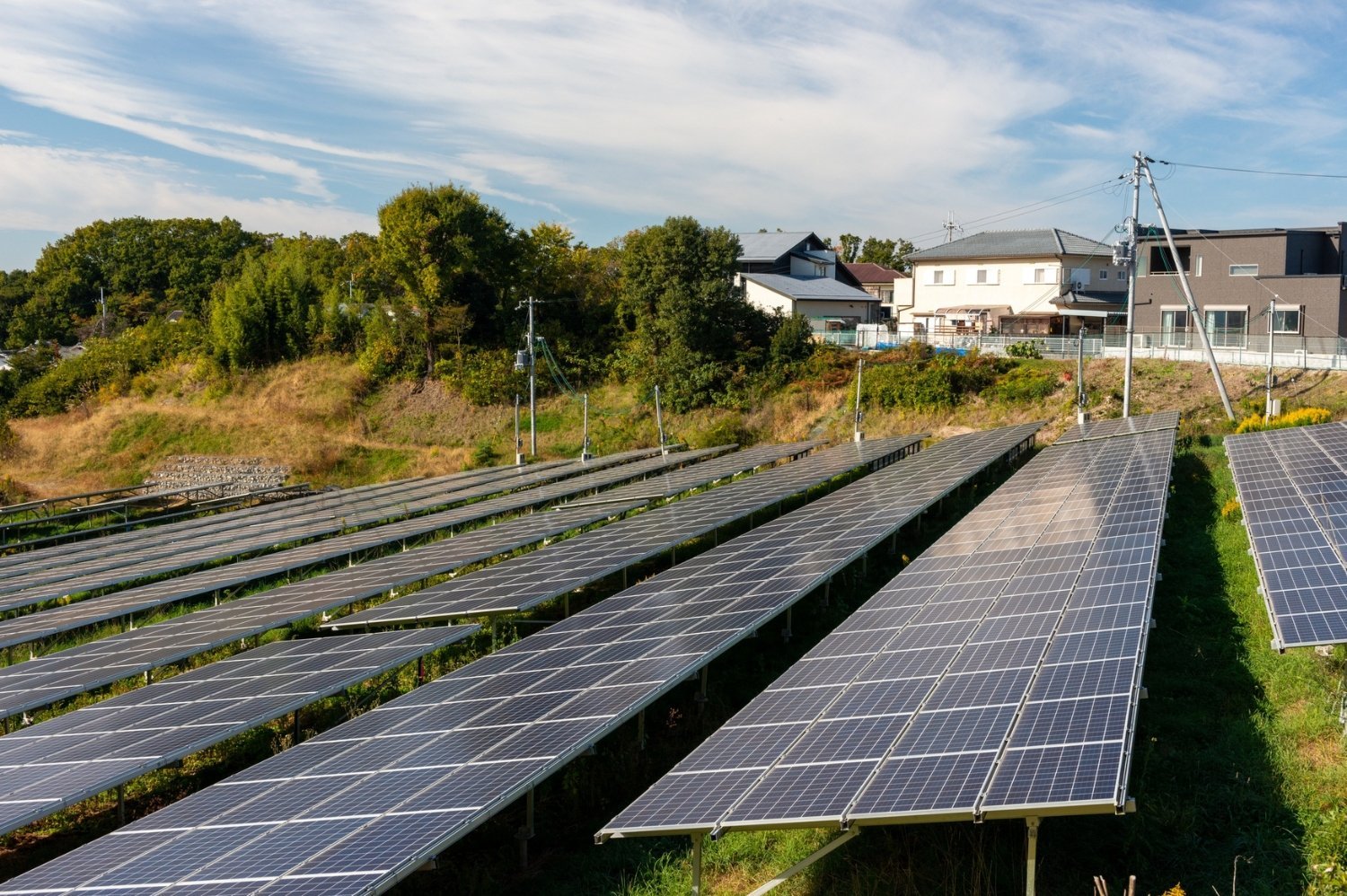
Gujarat has become one of India’s strongest solar power hubs, driven by abundant sunlight, proactive renewable policies, and a rapidly expanding industrial and residential energy demand. However, installing a solar system in Gujarat is very different from deploying one in milder regions. Extreme summer heat, high UV exposure, heavy monsoon rainfall, dust-heavy environments, and coastal humidity all place intense stress on solar systems.
This is where Made in Gujarat solar manufacturing plays a crucial role. Solar products designed and manufactured locally are better equipped to handle Gujarat’s real-world conditions, not just laboratory test standards. Local manufacturing enables climate-specific engineering, material selection, and quality control that directly improve long-term performance and safety.
Understanding how Gujarat solar manufacturing addresses these challenges helps system owners make smarter, more reliable decisions for residential, commercial, and industrial solar projects.
Why Gujarat’s Climate Is Tough on Solar Systems
Before understanding the importance of local manufacturing, it’s essential to look at the environmental factors that affect solar performance in Gujarat.
Extreme Heat and Temperature Fluctuations
Summer temperatures in many parts of Gujarat regularly exceed 45°C. High ambient heat reduces electrical efficiency, accelerates component aging, and increases thermal stress on inverters, panels, and electrical connections.
High UV Radiation Levels
Prolonged exposure to intense sunlight can degrade panel encapsulation, insulation materials, and cable sheathing if not designed for long-term UV resistance.
Heavy Monsoon Rainfall
Monsoon season brings water ingress risks, electrical faults, corrosion, and grounding issues, especially in poorly protected BOS components.
Dust, Pollution, and Industrial Residue
Dust accumulation lowers panel output, increases cleaning requirements, and can cause overheating in electrical enclosures if ventilation is inadequate.
Coastal Humidity and Corrosion
In coastal regions, salt-laden air accelerates corrosion in metal structures, fasteners, and electrical terminals.
These combined conditions demand solar products for Gujarat climate that go beyond generic design standards.
The Advantage of Made in Gujarat Solar Manufacturing
Design Based on Local Conditions
When solar products are manufactured locally, engineers design systems while keeping Gujarat’s weather patterns, roof types, and grid conditions in mind. This results in better thermal tolerance, improved enclosure sealing, and optimized electrical layouts.
Faster Feedback from Field Installations
Local manufacturing allows real installation feedback to flow quickly into design improvements. Issues related to heat, dust, or monsoon exposure can be corrected faster compared to imported products.
Consistent Quality Control
Manufacturing close to deployment regions enables tighter quality checks across materials, assembly, and testing, ensuring reliability over long operating lifecycles.
Solar Panels for Hot Climate Performance
Thermal Efficiency in High Temperatures
Solar panels lose efficiency as temperatures rise. Locally manufactured panels are engineered with optimized temperature coefficients to minimize power loss during peak summer conditions.
UV-Resistant Materials
Advanced encapsulation and backsheet materials are selected to withstand prolonged UV exposure, reducing long-term degradation and micro-cracking.
Structural Strength for Wind and Rain
Panel frames and lamination techniques are chosen to withstand heavy rainfall, wind loads, and repeated thermal expansion without compromising performance.
These features make solar panels for hot climate regions more dependable in Gujarat’s demanding environment.
Solar Inverter Systems Built for Indian Summers
Heat Management and Ventilation
Solar inverter systems in Gujarat must handle continuous high temperatures. Local manufacturing focuses on improved heat dissipation, internal airflow design, and component spacing to prevent overheating.
Grid Compatibility and Stability
Indian grid conditions can fluctuate significantly. Locally engineered inverters are designed to handle voltage variations, load changes, and frequent on-off cycles more effectively.
Protection Against Dust and Moisture
Sealed enclosures and protective coatings help inverters remain stable during dusty summers and humid monsoon months.
The Role of Solar BOS Components in System Safety
Balance of System components are often overlooked, yet they play a critical role in safety and longevity.
DCDB and ACDB Protection
Properly designed DCDB and ACDB units protect systems from short circuits, overloads, and surge events during storms and grid fluctuations.
Ingress Protection for Monsoon Conditions
High-quality enclosures prevent water and moisture ingress, reducing electrical failures during heavy rainfall.
Thermal Stability of Electrical Components
Locally manufactured solar BOS components are selected to withstand heat buildup without insulation breakdown or terminal loosening.
Mounting Structures Designed for Gujarat Rooftops
Wind Load and Structural Integrity
Gujarat experiences strong seasonal winds. Mounting structures are designed to withstand uplift forces while maintaining panel alignment.
Corrosion Resistance
For industrial and coastal areas, materials and coatings are selected to resist corrosion caused by humidity and pollution.
Compatibility with Roof Types
From residential terraces to large industrial sheds, local manufacturing allows mounting solutions to be tailored to common roof structures found across Gujarat.
Dust Management and Performance Optimization
Dust accumulation is a major concern in many districts. Local solar design considers:
- Optimal tilt angles for natural dust shedding
- Panel surfaces that simplify cleaning
- Electrical layouts that minimize shading-related losses
These factors help maintain energy output while reducing maintenance effort.
Why Local Manufacturing Improves Long-Term Reliability
Solar projects are long-term investments. When systems are designed for the exact environment they operate in, users benefit from:
- Stable energy generation over years
- Reduced component failure rates
- Lower maintenance and downtime
- Improved electrical safety
This is why Gujarat solar manufacturing offers a clear advantage over generic, one-size-fits-all solutions.
Conclusion
Solar energy success in Gujarat depends not just on sunlight, but on how well solar products handle heat, monsoon, dust, and corrosion over time. Made in Gujarat solar manufacturing ensures that solar panels, inverter systems, and BOS components are engineered specifically for these conditions.
By choosing solar solutions designed for Gujarat’s climate, system owners gain higher efficiency, improved safety, and long-term performance reliability—making solar a truly sustainable investment for the state’s future.