When designing a high-performance solar system, most attention goes to selecting the right solar panels and solar inverter. However, one of the most overlooked yet critical components in any installation is the solar cables.
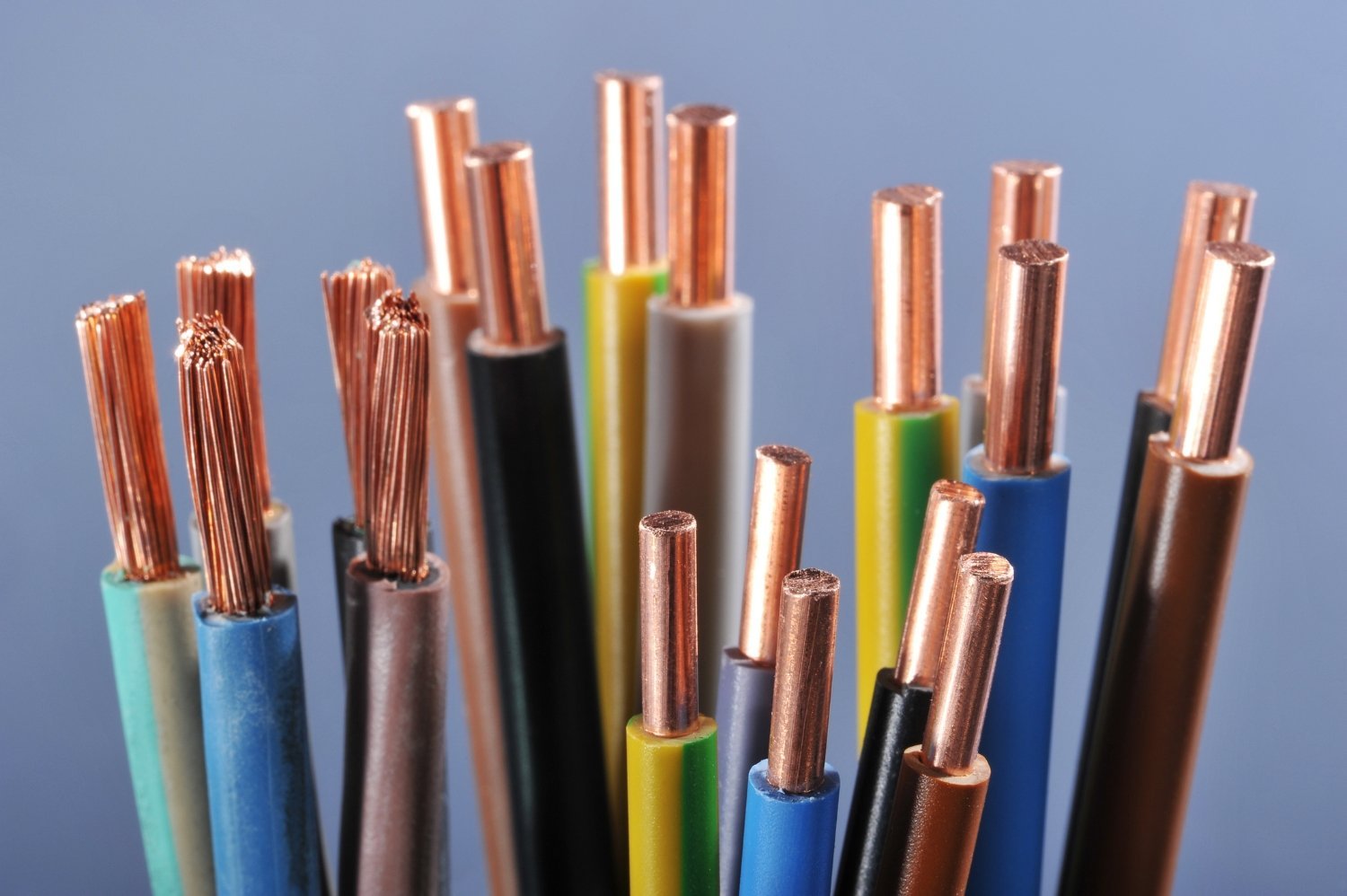
Solar cables are the lifelines of a solar system. They connect solar panels to the solar inverter, link inverters to distribution boards, and ensure seamless current flow across the entire setup. Poor cable selection can lead to voltage drop, overheating, power loss, fire hazards, and long-term system inefficiency.
While price often influences purchasing decisions, focusing solely on cost can compromise performance and safety. Copper content, insulation grade, and cable size for solar installations matter far more than short-term savings.
This technical guide explains why selecting the right DC cable for solar applications is essential for safety, efficiency, and durability.
The Role of Solar Cables in a Solar System
In a typical solar system, electricity generated by solar panels travels through DC cable for solar connections before reaching the solar inverter. From there, AC cables distribute power to loads or the grid.
Cables must:
- Handle continuous current flow
- Withstand high temperatures
- Resist UV exposure
- Tolerate environmental stress
- Maintain low resistance
A weak link in cabling can compromise the entire solar BOS Kit and reduce overall system performance.
Why Copper Content in Solar Cables Is Critical
Copper is the primary conductor material in high-quality solar cables. Its conductivity directly affects energy transmission efficiency.
Higher Copper Content Means:
- Lower electrical resistance
- Reduced voltage drop
- Lower heat generation
- Improved energy transfer efficiency
When copper purity or cross-sectional content is reduced to cut costs, resistance increases. This results in energy loss between solar panels and the solar inverter.
Over time, excessive resistance can cause:
- Cable overheating
- Insulation degradation
- Reduced inverter efficiency
- Potential safety hazards
In large installations, even small voltage drops can significantly impact annual energy yield.
Understanding Voltage Drop in Solar Systems
Voltage drop refers to the reduction in voltage as electricity flows through a cable.
Excessive voltage drop can:
- Reduce input voltage at the solar inverter
- Lower MPPT efficiency
- Decrease total system output
- Cause system imbalance
Industry standards generally recommend voltage drop limits between 1%–3% in DC sections of a solar system.
Proper copper content and correct cable size for solar applications minimize these losses.
Insulation Grade: More Than Just Outer Protection
Solar cables operate in harsh environments:
- High rooftop temperatures
- Direct sunlight
- Rain and humidity
- Dust and pollutants
Insulation grade determines how well the cable withstands these conditions.
Key Insulation Features to Look For:
- UV resistance
- Flame retardancy
- Heat resistance (90°C to 120°C or higher)
- Moisture resistance
- Ozone resistance
Low-quality insulation can crack under UV exposure, leading to short circuits or electrical leakage. A durable DC cable for solar must maintain insulation integrity for decades.
Temperature Rating and Thermal Performance
Solar panels installed on rooftops can reach surface temperatures above 70°C. Combined with current flow, cable temperatures can rise significantly.
High-grade solar cables are designed to:
- Handle elevated ambient temperatures
- Maintain conductivity under thermal stress
- Prevent insulation melting
- Avoid thermal expansion damage
Underrated cables may degrade prematurely, impacting the overall solar BOS Kit reliability.
Why Cable Size for Solar Installations Matters
One of the most critical decisions in cable selection is choosing the correct cable size for solar applications.
Cable size depends on:
- Current rating (Amperes)
- System voltage
- Distance between components
- Acceptable voltage drop limits
Using undersized cables leads to:
- Excessive voltage drop
- Heat buildup
- Reduced solar inverter performance
- Energy losses
Oversized cables, while safer, increase project costs unnecessarily. Proper sizing ensures efficiency without overdesign.
DC Cable for Solar vs Standard Electrical Cable
Not all electrical cables are suitable for solar applications.
Standard building cables may not:
- Withstand prolonged UV exposure
- Handle high DC voltage
- Resist environmental degradation
- Provide long-term outdoor durability
A certified DC cable for solar is specifically engineered for:
- High DC voltage ratings
- Double insulation
- Outdoor rooftop installations
- Long service life
Using standard cables in a solar system can compromise both safety and compliance.
Fire Safety and Flame Retardancy
Solar installations operate continuously during daylight hours, often at high currents.
If insulation fails or cables overheat, fire risks increase.
High-quality solar cables must include:
- Flame-retardant properties
- Low smoke emission
- Halogen-free insulation
These properties are critical for residential and commercial solar system safety.
Mechanical Strength and Flexibility
Solar cables must endure:
- Installation bending
- Wind movement
- Rooftop vibrations
- Structural shifts
Flexible yet strong copper conductors reduce internal stress and prevent conductor breakage.
A robust solar BOS Kit includes cables designed for both mechanical strength and electrical stability.
Long-Term Impact on Solar Inverter Performance
The solar inverter relies on stable DC input voltage for optimal MPPT operation.
If cable losses reduce voltage:
- MPPT tracking efficiency drops
- Power conversion decreases
- Heat generation inside the inverter increases
Over time, poor-quality solar cables can indirectly reduce solar inverter lifespan.
Cost vs Lifetime Value: The Hidden Economics
Choosing cheaper solar cables may save money initially but can result in:
- Higher energy losses annually
- Frequent maintenance
- Premature replacement
- System downtime
- Increased safety risks
When evaluating lifecycle cost, high-quality cables offer better long-term ROI.
In a solar system designed to operate 25+ years, reliability should always outweigh minor upfront savings.
Cable Selection in Large-Scale Solar Projects
In commercial and industrial installations:
- Cable lengths are longer
- Current ratings are higher
- Voltage drop risks increase
Proper cable size for solar arrays becomes even more critical in ground-mounted or large rooftop systems.
Even a small resistance increase across long distances can significantly reduce total energy output.
Compliance with Industry Standards
High-quality solar cables must comply with relevant:
- Voltage rating standards
- Thermal performance standards
- Flame retardant classifications
- UV resistance certifications
Compliance ensures safe integration within the broader solar BOS Kit.
Common Mistakes in Solar Cable Selection
- Choosing cables based solely on price
- Ignoring copper purity
- Underestimating voltage drop
- Selecting incorrect cable size for solar load
- Using non-UV resistant insulation
- Overlooking thermal rating
Avoiding these mistakes improves both performance and safety.
Best Practices for Selecting Solar Cables
1. Calculate Current Accurately
Determine maximum DC current from solar panels.
2. Consider Distance
Longer cable runs require thicker conductors.
3. Evaluate Environmental Conditions
High-temperature zones require higher-rated insulation.
4. Ensure Compatibility with Solar Inverter
Match cable voltage rating with inverter input limits.
5. Invest in Certified DC Cable for Solar
Always use cables specifically designed for photovoltaic systems.
The Role of Cables in Overall Solar System Reliability
Solar panels generate electricity.
Solar inverters convert it.
But solar cables ensure it reaches safely and efficiently.
Cables are not just connectors—they are performance enablers.
High-quality solar cables:
- Maximize energy transfer
- Improve inverter efficiency
- Reduce fire risk
- Extend system lifespan
- Support long-term solar system stability
Conclusion: Why Quality Matters More Than Price
In solar installations, small compromises can lead to significant long-term losses.
Copper content determines conductivity.
Insulation grade ensures durability and safety.
Proper cable size for solar installations prevents voltage drop and overheating.
While price may influence decisions, performance, safety, and long-term reliability must take priority.
Investing in high-quality solar cables strengthens the foundation of the entire solar system—protecting both equipment and energy yield for decades.