

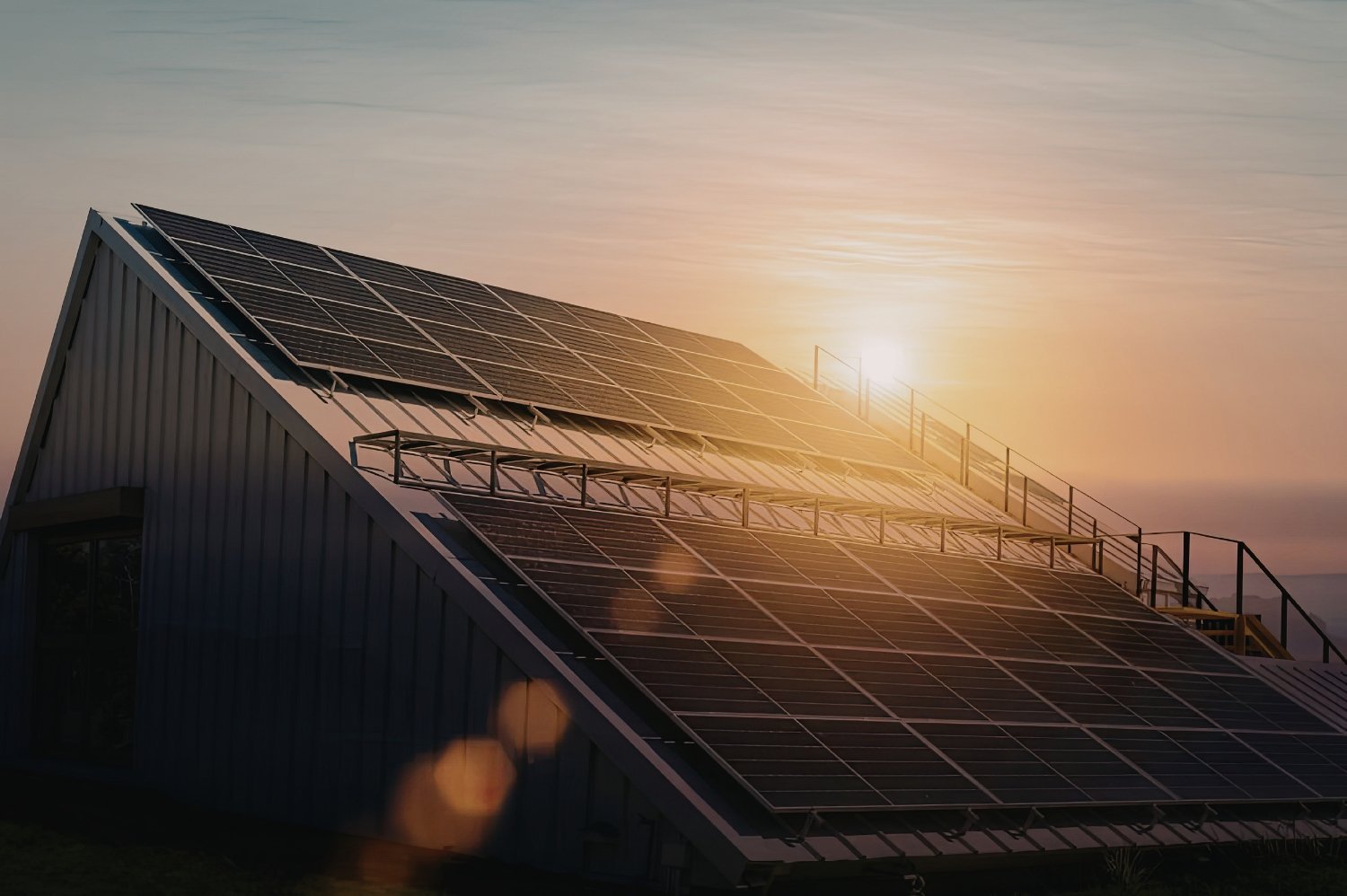
Solar technology has evolved significantly over the past decade, improving efficiency, durability, and energy output. One of the most exciting innovations in modern solar technology is the bifacial solar panel. Unlike traditional solar panels that capture sunlight only from the front side, bifacial panels generate electricity from both the front and the rear surfaces.
This dual-sided energy generation capability allows bifacial solar panels to produce more electricity compared to conventional monofacial panels. For large solar installations—especially ground-mounted solar systems—this technology can significantly increase energy production and improve the return on investment.
In regions with strong sunlight and reflective ground conditions, bifacial solar panels can deliver even greater performance benefits. This makes them particularly interesting for solar installations across Gujarat, where solar irradiation levels are among the highest in the country.
In this guide, we explore how bifacial solar panels work, their advantages for ground-mounted systems, and whether they are worth the investment for solar projects in Gujarat.
What Are Bifacial Solar Panels?
Bifacial solar panels are photovoltaic modules designed to absorb sunlight from both sides of the panel.
Traditional solar panels generate electricity when sunlight hits the front surface of the solar cells. In contrast, bifacial panels use transparent or dual-glass structures that allow sunlight reflected from the ground to reach the rear side of the solar cells.
This means bifacial panels can capture:
- Direct sunlight on the front side
- Reflected sunlight on the rear side
As a result, they can generate more energy from the same installation area.
How Bifacial Solar Panels Work
The working principle of bifacial solar panels is similar to standard solar panels, but with one key difference: rear-side energy capture.
Front-Side Generation
The front surface of the panel captures direct sunlight just like traditional solar panels.
Rear-Side Generation
The rear side absorbs sunlight that reflects from surrounding surfaces such as:
- White gravel
- Concrete
- Sand
- Light-colored soil
This reflected light is known as albedo radiation, and it contributes additional energy generation.
The higher the reflectivity of the ground surface, the greater the rear-side energy production.
Why Ground-Mount Systems Are Ideal for Bifacial Panels
While bifacial panels can be used in rooftop systems, they deliver the greatest benefits in ground-mounted solar installations.
Ground-mount systems provide more flexibility in panel placement, allowing sunlight to reach both sides of the module.
Elevated Panel Structures
Ground-mounted bifacial panels are typically installed at a raised height above the ground. This allows sunlight to bounce off the ground and reach the rear side of the panels.
Better Airflow
Elevated installations improve airflow around the panels, which helps maintain lower operating temperatures and improves efficiency.
Adjustable Ground Surfaces
For optimized performance, the ground beneath bifacial panels can be modified with reflective materials to increase albedo.
Solar Potential in Gujarat for Bifacial Panels
The western Indian state of Gujarat is one of the country’s leading solar energy hubs. Its climate conditions make it highly suitable for advanced solar technologies like bifacial panels.
High Solar Irradiation
Gujarat receives strong solar radiation throughout most of the year, which allows solar systems to generate large amounts of electricity.
Open Land Availability
Many industrial zones and rural areas have sufficient land for ground-mounted solar systems.
Favorable Climate Conditions
Dry weather and relatively low cloud cover increase sunlight availability, making bifacial panels more effective.
These factors create ideal conditions for maximizing the benefits of double-sided solar technology.
Energy Output Advantage of Bifacial Panels
One of the biggest advantages of bifacial solar panels is their ability to produce additional electricity from reflected light.
Depending on the installation conditions, bifacial panels can generate:
- 5% to 10% more energy in standard ground-mounted systems
- Up to 20% more energy in optimized reflective environments
The actual performance gain depends on factors such as:
- Ground reflectivity
- Panel height above ground
- Installation tilt angle
- Spacing between panel rows
This extra energy generation significantly improves long-term solar system returns.
Durability and Build Quality
Bifacial solar panels are often constructed with dual-glass designs, which provide additional durability compared to traditional panels with a glass-and-backsheet structure.
Advantages of Dual-Glass Construction
Dual-glass panels offer several benefits:
- Improved resistance to environmental stress
- Enhanced protection against moisture and corrosion
- Lower degradation rates over time
These features make bifacial panels highly suitable for long-term outdoor installations.
Cost Considerations
While bifacial solar panels are typically more expensive than conventional panels, the additional energy generation often offsets the higher upfront cost.
Higher Initial Investment
Bifacial panels and specialized mounting structures may increase installation costs slightly.
Better Long-Term Returns
The additional energy output over the system’s lifespan can improve overall solar ROI.
For commercial and industrial installations, this higher generation can translate into substantial electricity savings.
Installation Factors That Affect Performance
To maximize the advantages of bifacial panels, several design considerations must be taken into account.
Ground Reflectivity
Surfaces with higher reflectivity improve rear-side energy capture.
Common reflective surfaces include:
- White gravel
- Reflective membranes
- Light-colored concrete
Panel Height
Raising the panels slightly above ground allows more sunlight to reach the rear surface.
Row Spacing
Proper spacing between panel rows prevents shadowing and improves rear-side exposure.
Professional system design ensures optimal performance.
Ideal Applications for Bifacial Panels
Bifacial solar panels are particularly suitable for:
Ground-Mounted Solar Farms
Large-scale solar projects can significantly benefit from increased energy generation.
Industrial Solar Installations
Factories and warehouses with open land can deploy bifacial systems for higher electricity production.
Agricultural Solar Projects
Agrivoltaic installations can combine farming with solar energy generation while benefiting from bifacial technology.
Are Bifacial Solar Panels Worth It?
The decision to use bifacial panels depends on the specific installation environment.
They are generally worth the investment when:
- The system is ground-mounted
- The ground surface has good reflectivity
- Adequate panel height and spacing can be maintained
- The project aims to maximize long-term energy production
In such cases, bifacial panels provide clear advantages in both performance and financial returns.
The Future of Bifacial Solar Technology
As solar technology continues to advance, bifacial panels are expected to become increasingly popular worldwide.
Manufacturers are investing in improved cell architectures, better glass materials, and optimized mounting systems that further enhance rear-side energy capture.
With ongoing innovation, bifacial technology could play a major role in increasing solar power generation while reducing the cost of renewable energy.
Conclusion: Double-Sided Technology for Higher Solar Output
Bifacial solar panels represent a significant advancement in solar technology by capturing sunlight from both sides of the panel. This ability allows solar installations to generate more electricity without increasing the footprint of the system.
For ground-mounted solar installations in Gujarat, bifacial panels can offer clear performance benefits due to the region’s high solar radiation and suitable land availability.
Although the upfront investment may be slightly higher, the additional energy generation and improved durability can make bifacial solar panels a worthwhile choice for projects focused on maximizing long-term solar performance and return on investment.