

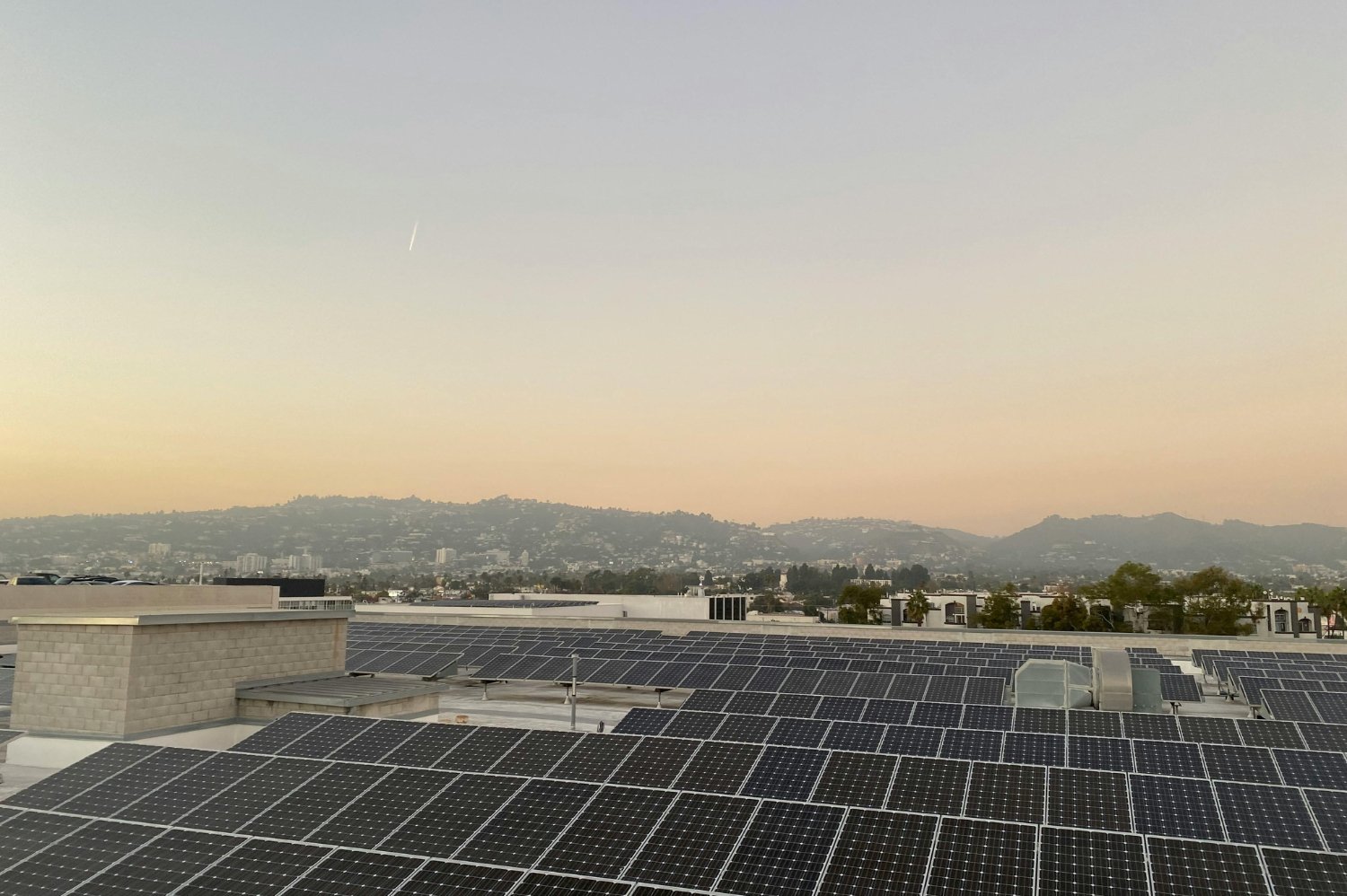
Urban areas like Vadodara are witnessing rapid adoption of rooftop solar power systems. Rising electricity costs, increased environmental awareness, and government support have encouraged homeowners and businesses to switch to solar energy. However, one common challenge remains—limited roof space.
In such scenarios, choosing the right solar panels becomes critical. This is where Mono PERC solar panels offer a clear efficiency advantage. Designed to generate more electricity per square meter, these high-efficiency solar panels are especially suited for compact rooftops common across Vadodara’s residential and commercial buildings.
This article explains how Mono PERC technology works, why it outperforms conventional panels, and how it helps maximize energy output from limited rooftop space in Vadodara’s climatic conditions.
The Rooftop Space Challenge in Vadodara
Vadodara’s urban infrastructure includes:
- Compact residential rooftops
- Commercial buildings with shared utilities
- Industrial units with structural constraints
In many cases, rooftop space is partially occupied by water tanks, staircases, HVAC units, or architectural features. This limits the number of panels that can be installed.
Why Panel Efficiency Matters More Than System Size
When space is restricted, increasing capacity by adding more panels is not always possible. Instead, system performance depends on how much power each panel can produce. High-efficiency solar panels allow system owners to generate more electricity using fewer panels.
What Are Mono PERC Solar Panels?
Mono PERC stands for Monocrystalline Passivated Emitter and Rear Cell technology. It is an advanced version of monocrystalline solar panels designed to improve energy conversion efficiency.
How Mono PERC Technology Works
Traditional monocrystalline panels allow some sunlight to pass through the cell without being converted into electricity. Mono PERC panels add a passivation layer on the rear side of the cell that:
- Reflects unused light back into the cell
- Reduces electron recombination
- Improves overall power output
This innovation significantly enhances the efficiency of solar panels without increasing their physical size.
Why Mono PERC Solar Panels Are Ideal for Limited Roof Space
Higher Power Density
Mono PERC solar panels produce more wattage per panel compared to conventional polycrystalline panels. This means:
- Fewer panels are required for the same system capacity
- Better utilization of available rooftop space
Improved Low-Light Performance
Vadodara experiences varying sunlight conditions due to dust, humidity, and seasonal changes. Mono PERC panels perform better during:
- Early morning and late evening hours
- Partially cloudy days
- Hazy or dusty conditions
This results in higher daily energy generation.
Efficiency Advantage in Vadodara’s Climate
High Temperature Performance
Vadodara experiences long summers with temperatures often exceeding 40°C. High temperatures can reduce solar panel output, but Mono PERC panels are designed to minimize thermal losses.
Lower Temperature Coefficient
Mono PERC solar panels typically have a lower temperature coefficient, meaning their performance drops less as temperatures rise—an important advantage for rooftop solar power systems in Gujarat.
Mono PERC vs Conventional Solar Panels
Efficiency Comparison
| Parameter | Mono PERC Panels | Conventional Panels |
|---|---|---|
| Efficiency Range | Higher | Moderate |
| Power Output per Panel | Higher | Lower |
| Space Utilization | Excellent | Limited |
| Low-Light Performance | Strong | Average |
For space-constrained rooftops, the efficiency difference translates directly into higher usable energy.
Impact on Rooftop Solar System Design
Smaller Footprint, Higher Output
With Mono PERC solar panels, system designers can:
- Achieve higher capacity within the same area
- Maintain optimal panel spacing for ventilation
- Avoid overcrowding rooftops
Reduced BOS Complexity
Fewer panels mean:
- Shorter cable runs
- Fewer mounting points
- Simplified BOS requirements
This improves overall system reliability and reduces energy losses.
Long-Term Performance and Reliability
Reduced Degradation Rates
Mono PERC panels are known for better long-term stability. Lower degradation ensures that the solar power system continues to deliver high output over its lifespan.
Consistent Energy Generation
Higher initial efficiency combined with slower degradation results in more total energy generated over 25 years.
Why High-Efficiency Solar Panels Improve ROI
More Units from the Same Roof
Higher energy generation directly increases savings on electricity bills—especially important for commercial rooftops in Vadodara with daytime energy demand.
Faster Payback Period
Although high-efficiency solar panels may have a slightly higher upfront cost, the additional power output shortens the payback period and improves lifetime returns.
Role of Solar Panels in Overall System Efficiency
Solar panels do not operate in isolation. Their performance affects:
- Solar inverter loading
- BOS component sizing
- System stability
High-efficiency panels ensure that inverters operate closer to optimal load levels, improving overall solar power system performance.
Installation Considerations for Vadodara Rooftops
Structural Load Optimization
Using fewer, higher-capacity panels reduces roof load—an advantage for older buildings.
Better Aesthetic Integration
Compact installations maintain cleaner rooftop layouts, which is increasingly important for residential societies and commercial buildings.
Future-Proofing Rooftop Solar Systems
As electricity demand grows and tariffs rise, rooftop solar systems must remain scalable. High-efficiency solar panels allow:
- Future system expansion
- EV charging integration
- Higher self-consumption
Mono PERC technology supports long-term energy planning.
Choosing the Right Solar Panels for Urban Rooftops
When selecting solar panels for limited roof space, key factors to evaluate include:
- Panel efficiency
- Temperature performance
- Degradation rate
- Compatibility with the solar inverter
Efficiency should be prioritized over sheer panel count in space-constrained environments.
Why Mono PERC Panels Are a Smart Choice for Vadodara
Vadodara’s urban density, climatic conditions, and growing energy demand make high-efficiency solar panels the logical choice. Mono PERC technology enables:
- Maximum power generation per square meter Better
- performance during summer
- Long-term reliability
For rooftops where every square foot matters, efficiency delivers a clear advantage.
Conclusion
Limited rooftop space no longer limits solar potential. Mono PERC solar panels offer a powerful solution by delivering higher energy output without expanding system size.
For urban rooftops in Vadodara, where space, heat, and long-term performance are key considerations, high-efficiency solar panels create a decisive efficiency edge—transforming compact rooftops into reliable power-generating assets.