
India’s electricity infrastructure is undergoing a major transformation. With rising renewable energy penetration, distributed solar installations, electric mobility adoption, and increasing demand variability, the traditional grid model is evolving into a smarter, more responsive network.
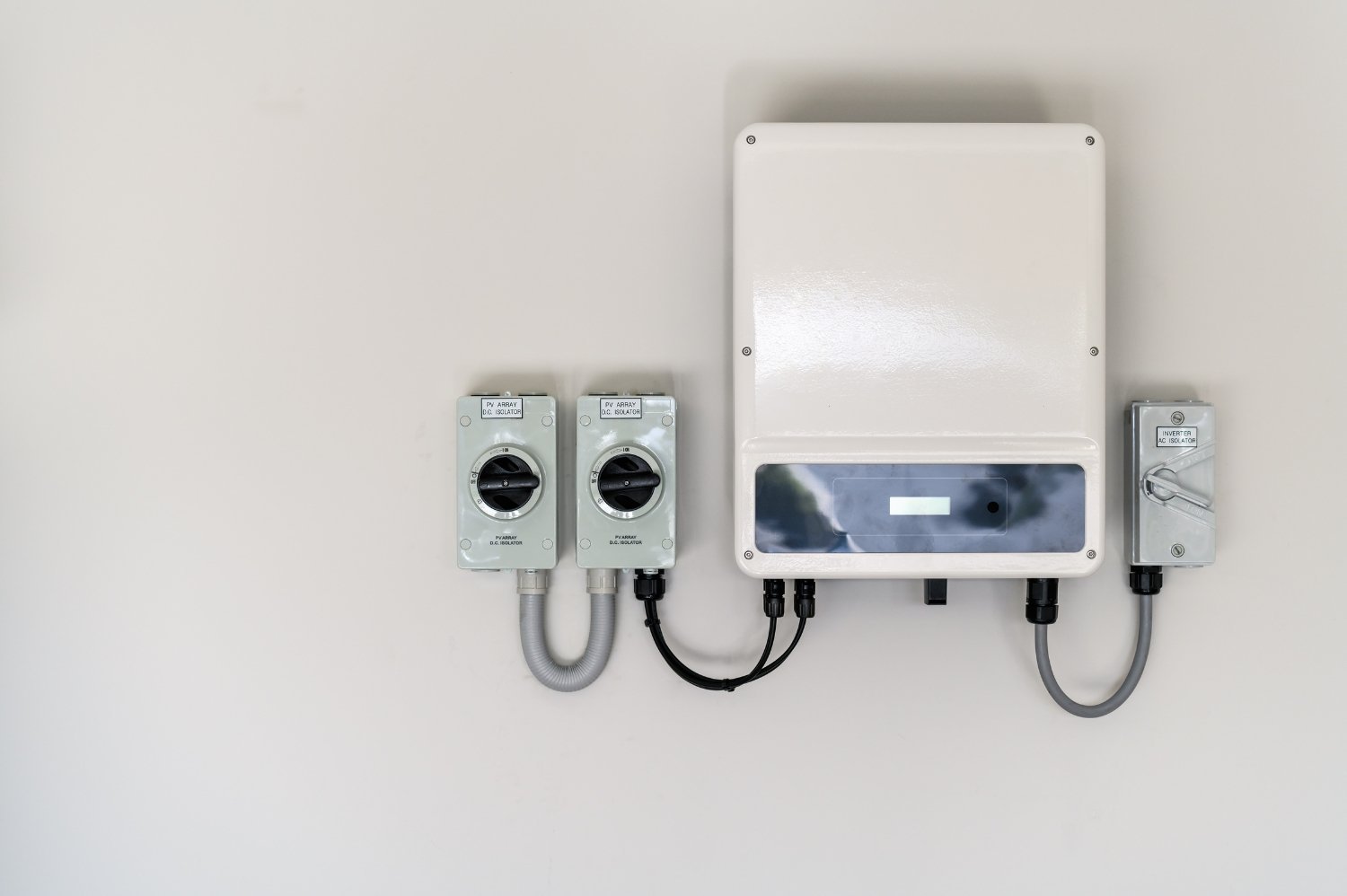
At the center of this transformation lies the Smart Grid Ready Inverter — a next-generation solar inverter designed not just to convert DC to AC power, but to actively interact with the grid.
As India moves toward a more intelligent and resilient electricity ecosystem, grid connected solar system installations must be compatible with advanced grid requirements. A smart grid ready inverter is no longer optional — it is becoming essential.
This article explores how modern solar inverter technology is evolving to support Smart Grid India and what it means for future-ready solar system integration.
Understanding the Evolution Toward Smart Grid India
Traditionally, electricity flowed in one direction:
Power Plant → Transmission → Distribution → Consumer
However, with the rise of rooftop solar systems and decentralized renewable energy, power now flows both ways. Consumers are becoming prosumers — generating and exporting electricity to the grid.
Smart Grid India represents:
- Bi-directional power flow
- Real-time energy monitoring
- Demand-response systems
- Grid stability management
- Renewable energy balancing
To function efficiently in this environment, solar inverter technology must evolve beyond basic conversion functions.
What is a Smart Grid Ready Inverter?
A smart grid ready inverter is an advanced solar inverter designed to communicate with and respond to grid conditions in real time.
Unlike conventional inverters, these systems can:
- Adjust output voltage and frequency
- Support reactive power control
- Enable remote monitoring and diagnostics
- Provide grid stabilization features
- Comply with evolving regulatory standards
This ensures seamless solar system integration within modern electricity networks.
Why India Needs Smart Grid Compatible Solar Inverters
India is rapidly increasing its renewable capacity. As more grid connected solar system installations come online, grid operators face new challenges:
- Voltage fluctuations
- Frequency instability
- Reverse power flow issues
- Intermittent generation from solar
Without smart grid ready inverters, high renewable penetration can strain local distribution networks.
Advanced solar inverter technology helps stabilize and support the grid rather than disrupt it.
Key Features of a Smart Grid Ready Inverter
1. Reactive Power Control
Reactive power management allows the inverter to regulate voltage levels within the grid.
By supplying or absorbing reactive power, the solar inverter contributes to grid stability.
This feature is critical in high solar-density regions.
2. Voltage Ride-Through Capability
Voltage ride-through enables the inverter to remain operational during temporary voltage disturbances instead of disconnecting immediately.
This prevents:
- Sudden power drops
- Grid instability
- Cascading outages
For Smart Grid India, this capability is increasingly required under regulatory standards.
3. Frequency Regulation Support
Advanced solar inverter systems can adjust output in response to frequency deviations.
This helps maintain:
- Stable grid frequency
- Balanced supply-demand ratio
- Smooth integration of renewable energy
Frequency-responsive inverters are vital for future solar system integration.
4. Remote Monitoring and Communication
Smart grid ready inverters often include:
- Wi-Fi or Ethernet connectivity
- Real-time data logging
- Remote diagnostics
- Firmware updates
Digital communication improves operational transparency and enables faster troubleshooting.
5. Anti-Islanding Protection
In grid connected solar system installations, safety is critical.
Anti-islanding ensures that the inverter automatically disconnects during grid outages, protecting maintenance personnel and preventing unsafe backfeeding.
Modern solar grid compliance standards require robust anti-islanding mechanisms.
Solar Grid Compliance in India
As India modernizes its electricity infrastructure, compliance standards are evolving.
Solar inverter systems must align with:
- Voltage regulation norms
- Grid synchronization requirements
- Harmonic distortion limits
- Fault detection standards
- Utility interconnection guidelines
A smart grid ready inverter ensures compatibility with current and future grid codes.
Supporting Distributed Solar Growth
Rooftop solar adoption is growing across residential and commercial sectors.
When multiple grid connected solar system installations operate in a locality, cumulative output can influence local voltage levels.
Advanced solar inverter systems:
- Manage export limits
- Enable zero-export functionality
- Prevent over-voltage conditions
- Support dynamic grid interaction
This ensures harmonious solar system integration within dense urban areas.
Preparing for Battery and Hybrid Integration
India’s future electricity network will likely integrate more battery storage systems.
Smart grid ready inverters are designed to:
- Support hybrid configurations
- Enable energy storage integration
- Manage load prioritization
- Optimize self-consumption
Future-ready solar inverter technology must adapt to energy storage expansion.
Enabling Demand Response and Smart Energy Management
Smart Grid India is moving toward demand-response programs where energy consumption adjusts based on grid conditions.
Advanced solar inverter systems can:
- Communicate with smart meters
- Adjust export based on grid signals
- Integrate with energy management systems
- Support time-of-day optimization
These capabilities transform solar installations into active grid participants.
Benefits for Residential Solar Systems
Homeowners benefit from smart grid ready inverters through:
- Stable voltage output
- Improved safety
- Real-time performance tracking
- Future upgrade compatibility
As distribution networks modernize, residential solar systems must remain compliant and adaptable.
Commercial and Industrial Advantages
Commercial installations often have higher load demands and export capacity.
Smart grid ready inverters provide:
- Export control flexibility
- Enhanced system monitoring
- Reduced risk of grid penalties
- Scalable solar system integration
These features support large-scale grid connected solar system operations.
Grid Stability in High Renewable Zones
In areas with heavy solar adoption, grid voltage may rise during peak sunlight hours.
Advanced solar inverter systems can:
- Reduce export dynamically
- Adjust power factor
- Support voltage stabilization
This ensures renewable growth without compromising grid reliability.
The Role of Data in Future Solar Networks
Smart Grid India emphasizes data-driven operations.
Smart grid ready inverters generate valuable insights:
- Performance analytics
- Fault trend detection
- Predictive maintenance alerts
- Generation forecasting data
Data integration enhances both utility planning and system optimization.
Challenges and the Path Forward
Transitioning to advanced solar inverter systems involves:
- Upgraded manufacturing standards
- Firmware sophistication
- Stronger cybersecurity protocols
- Regulatory alignment
As grid infrastructure evolves, smart grid compatibility will become a standard requirement rather than a premium feature.
The Long-Term Vision for Solar System Integration
India’s electricity network is moving toward:
- Digital grid monitoring
- Renewable-heavy energy mix
- Electric vehicle integration
- Smart city infrastructure
A smart grid ready inverter ensures that solar installations today remain relevant tomorrow.
Future-proof solar inverter systems protect investments and support sustainable grid evolution.
Conclusion: Building Solar Systems for Tomorrow’s Grid
The shift toward Smart Grid India marks a defining moment in renewable energy integration.
A smart grid ready inverter goes beyond basic energy conversion. It enables:
- Grid stabilization
- Regulatory compliance
- Renewable scalability
- Digital monitoring
- Future storage integration
As grid connected solar system installations continue to grow, solar inverter technology must evolve in parallel.
Preparing solar systems for the future electricity network is not just about efficiency — it is about adaptability, intelligence, and long-term grid compatibility.