

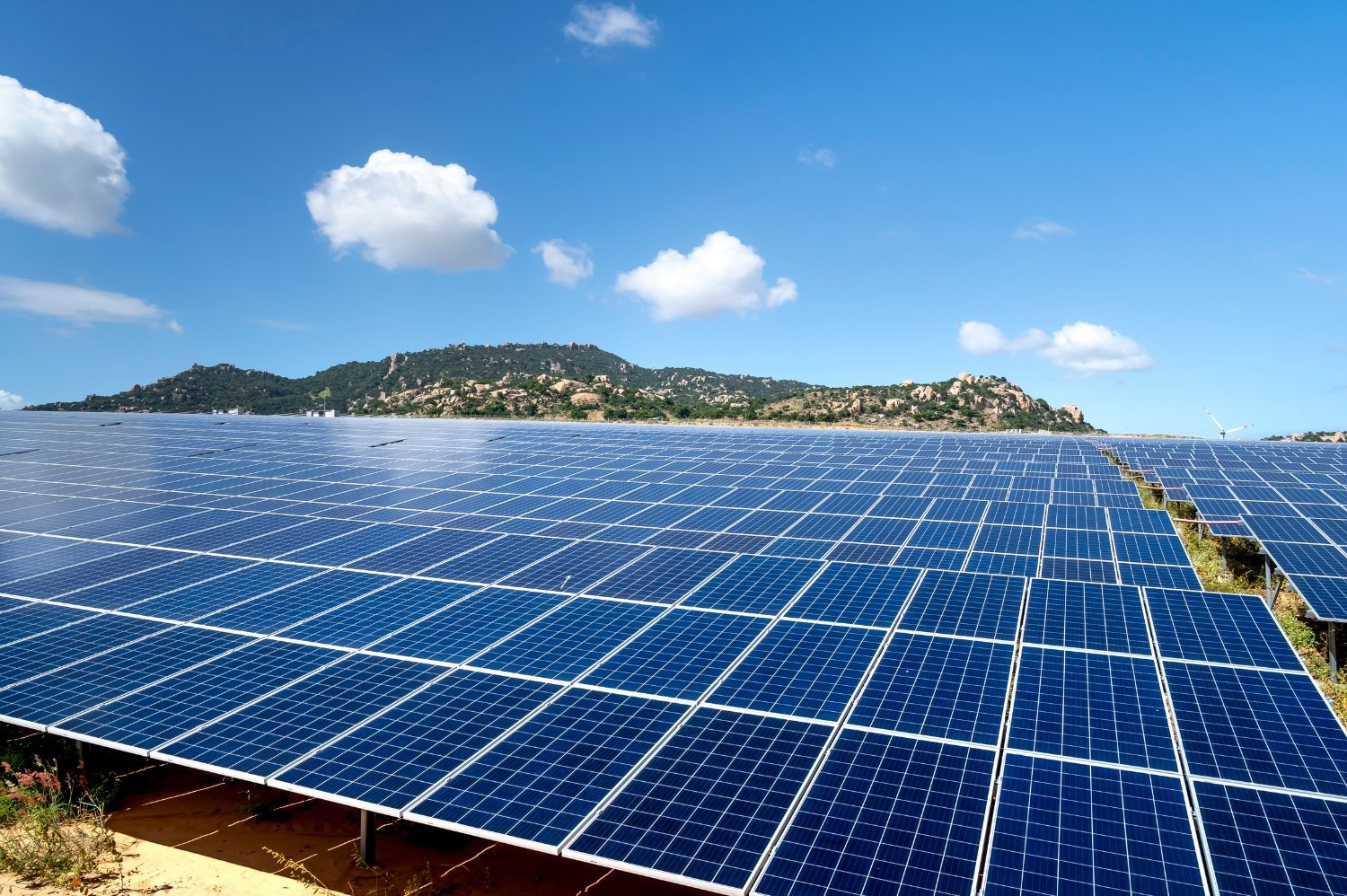
India’s diverse geography presents some of the most demanding environmental conditions for renewable energy systems. From the scorching heat of the Thar Desert to the freezing temperatures of the Himalayan foothills, solar products must perform consistently under extreme climatic stress.
Designing solar inverters and solar panels that can withstand intense heat, heavy dust, humidity fluctuations, and sub-zero temperatures requires engineering precision and climate-focused testing. Solar system performance is not just about efficiency under standard test conditions—it is about reliability under real-world extremes.
This article explores how modern solar products are engineered and deployed to maintain optimal solar system performance across India’s most challenging environments.
Understanding Extreme Climate Solar Deployment
Extreme climate solar installations are those deployed in regions with:
- Temperatures exceeding 50°C
- Sub-zero winter conditions
- High UV exposure
- Sandstorms and dust accumulation
- Snowfall and frost
- Large temperature fluctuations between day and night
Each of these conditions directly affects solar panels, solar inverters, and overall solar system performance.
Solar Products in the Thar Desert: Engineering for High Temperature Solar Conditions
The Thar Desert experiences:
- Extremely high ambient temperatures
- Intense solar irradiance
- Frequent dust storms
- Minimal humidity
These conditions demand high temperature solar resilience.
High Temperature Impact on Solar Panels
As temperature rises:
- Panel voltage decreases
- Efficiency drops
- Thermal stress increases
To combat this, high-quality solar panels are engineered with:
- Low temperature coefficient
- Advanced encapsulation materials
- UV-resistant backsheets
- Reinforced glass for harsh sunlight
Proper ventilation and mounting design also improve heat dissipation.
Thermal Stability in Solar Inverters Under Desert Heat
Solar inverters are especially sensitive to temperature variations.
High temperatures can cause:
- Component degradation
- Reduced conversion efficiency
- Increased internal resistance
- Thermal shutdown if poorly designed
For extreme climate solar deployment in desert regions, solar inverters must include:
- Advanced thermal management systems
- Intelligent cooling architecture
- High-temperature rated capacitors
- Robust IP-rated enclosures
Thermal stability ensures uninterrupted solar system performance even under peak summer conditions.
Dust and Sand Resistance in Solar Products
Desert regions introduce another major challenge—dust accumulation.
Dust affects:
- Solar panel output
- Heat dissipation
- Electrical connections
Solar products designed for desert conditions require:
- High IP protection ratings
- Sealed inverter enclosures
- Anti-soiling glass coatings
- Durable cable insulation
Regular maintenance schedules also become essential in extreme climate solar projects.
Solar Deployment in the Himalayan Foothills: Cold Climate Solar Challenges
In contrast, the Himalayan foothills present:
- Sub-zero winter temperatures
- Snowfall
- Frost accumulation Lower air density High-altitude UV exposure
Cold climate solar installations must address completely different technical challenges.
How Cold Weather Impacts Solar Panels
Cold temperatures increase panel voltage.
While this may improve efficiency, it can also:
- Push voltage beyond inverter limits
- Increase stress on electrical components
- Risk system shutdown if not properly designed
Cold climate solar systems require:
- Accurate string design
- Proper inverter voltage range compatibility
- Strong mechanical framing for snow load resistance
Snow shedding design and tilt optimization help maintain energy generation during winter.
Solar Inverters in Sub-Zero Conditions
Electronic components behave differently in cold weather.
Potential risks include:
- Condensation inside enclosures
- Slow capacitor response
- LCD malfunction
- Reduced startup efficiency
To ensure stable solar system performance, solar inverters deployed in cold climate solar regions incorporate:
- Anti-condensation design
- Wide operating temperature range
- Ruggedized circuitry
- High-quality PCB protection
These features ensure stable performance even in freezing conditions.
Handling Wide Temperature Fluctuations
Some regions experience dramatic day-night temperature variations.
For example:
- Desert nights can drop sharply after extremely hot days.
- Mountain regions may see rapid temperature changes.
Such fluctuations cause:
- Thermal expansion and contraction
- Mechanical stress on mounting systems
- Micro-cracks in inferior solar panels
Extreme climate solar products must therefore use:
- Reinforced aluminum frames
- High-durability junction boxes
- Flexible yet stable mounting structures
Structural stability is as important as electrical performance.
UV Resistance and High-Altitude Solar Exposure
Higher altitudes mean stronger UV radiation.
UV degradation can impact:
- Panel backsheets
- Cable insulation
- Plastic connectors
Solar products designed for extreme climate solar installations incorporate UV-stabilized materials to ensure long-term durability.
Solar System Performance Monitoring in Extreme Conditions
Monitoring becomes even more critical in harsh climates.
Smart solar inverters offer:
- Real-time temperature tracking
- Voltage monitoring
- Fault alerts
- Performance analytics
Data-driven monitoring helps detect:
- Thermal overload
- Snow-related shading
- Dust-induced efficiency loss
- String imbalance
This proactive approach maintains optimal solar system performance.
Mechanical Strength for Wind and Snow Loads
Mountain regions often experience high winds and snow accumulation.
Solar panels must withstand:
- Snow load pressure
- Strong wind uplift
- Structural vibrations
Robust mounting systems and engineered BOS components ensure mechanical reliability in extreme climate solar installations.
Why Climate-Specific Engineering Matters
Many solar systems fail prematurely not because of poor installation—but because the solar products were not engineered for local climatic conditions.
Climate-focused design ensures:
- Longer equipment lifespan
- Reduced maintenance cost
- Stable ROI
- Minimal downtime
Extreme climate solar deployment demands more than standard manufacturing—it requires region-specific engineering considerations.
Residential Solar in Harsh Regions
Homeowners in desert or mountain regions rely heavily on reliable power.
A well-designed solar system ensures:
- Continuous power supply
- Lower electricity dependency
- Stable voltage output
- Reduced maintenance issues
Climate-resilient solar panels and solar inverters make residential solar viable even in challenging terrains.
Commercial and Industrial Installations in Extreme Climates
Industries operating in remote or harsh regions require uninterrupted power supply.
Extreme climate solar solutions support:
- Mining operations
- Agricultural facilities
- Tourism infrastructure
- Border and remote security installations
Reliable solar system performance in such regions ensures operational continuity.
Long-Term Durability Testing for Solar Products
To perform across diverse Indian climates, solar products undergo:
- High-temperature stress testing
- Thermal cycling tests
- Humidity freeze testing
- Mechanical load testing
- Dust and water ingress testing
These validation processes ensure that solar panels and solar inverters maintain stability under extreme conditions.
Sustainability Across Every Terrain
Deploying solar products from the Thar Desert to the Himalayan foothills contributes to:
- Reduced diesel generator usage
- Lower carbon emissions
- Increased energy independence
- Sustainable rural electrification
Extreme climate solar deployment plays a vital role in expanding renewable access across diverse terrains.
Conclusion: Engineering Solar System Performance for Every Climate
India’s geographical diversity demands more from solar products than standard efficiency ratings.
From high temperature solar resilience in desert regions to cold climate solar durability in mountainous terrain, solar inverters and solar panels must be engineered for real-world extremes.
Reliable solar system performance across varying climates depends on:
- Advanced thermal management
- Structural durability
- Voltage compatibility
- Dust and snow resistance Smart monitoring systems
When solar products are designed with climate intelligence, they deliver consistent, long-term performance—no matter where they are installed.